
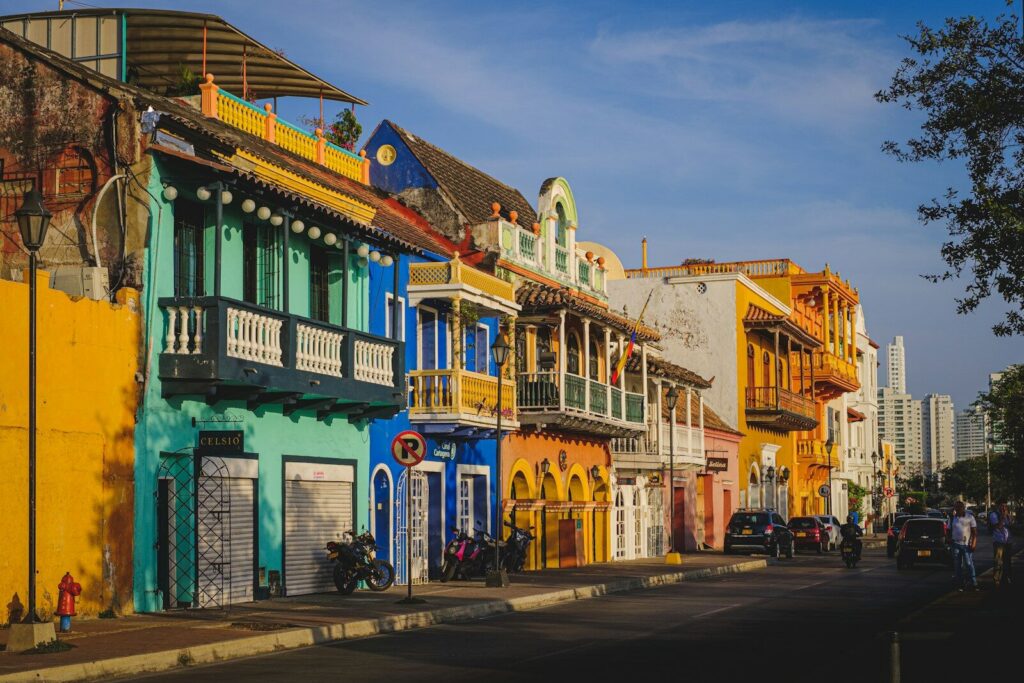
Moving to Colombia from Canada is an exciting opportunity for Canadians looking to experience a different lifestyle, pursue international career opportunities, retire abroad, reconnect with family, or establish a new home in South America. Known for its diverse landscapes, vibrant cities, rich cultural heritage, and varied climates, Colombia offers a wide range of destinations for individuals and families considering an international relocation.
From the bustling metropolitan environment of Bogotá to the mountainous surroundings of Medellín, the coastal lifestyle of Cartagena, the cultural attractions of Cali, and the growing communities of Barranquilla, Bucaramanga, and Pereira, Colombia provides different living environments to suit a variety of personal and professional needs.
However, relocating from Canada to Colombia requires careful planning. International moving involves much more than purchasing airline tickets and finding accommodation. Canadians must consider immigration requirements, international shipping arrangements, customs clearance, household goods transportation, healthcare, financial planning, housing, and the practical challenges of settling into a Spanish-speaking country.
Shipping furniture and personal belongings from Canada to Colombia also requires coordination between domestic transportation providers, international freight companies, customs representatives, and destination delivery services. Depending on the size of your shipment and your destination, your belongings may travel by ocean freight, air freight, or a combination of transportation methods.
Whether you are moving from Toronto, Vancouver, Montreal, Calgary, Edmonton, Ottawa, Winnipeg, Halifax, or another Canadian city, understanding the international moving process can help you avoid unnecessary complications and prepare for a more organized relocation.
At Astra International, we understand that moving overseas requires dependable logistics, careful coordination, and attention to the details involved in transporting household goods across international borders. Our international moving services help Canadians explore suitable shipping options, prepare household inventories, and plan the transportation of furniture and personal belongings to international destinations.
This comprehensive guide explains everything you should know about moving to Colombia from Canada, including international moving costs, shipping methods, customs regulations, immigration considerations, the best places to live, packing requirements, and practical advice for settling into your new home.
Why Are Canadians Moving to Colombia?
Colombia attracts international residents for several reasons, including its diverse cities, natural landscapes, cultural traditions, business opportunities, and lifestyle options.
Although Canada and Colombia differ significantly in climate, language, geography, and everyday customs, both countries offer major metropolitan centres, smaller communities, and extensive natural environments.
For Canadians considering a move to South America, Colombia provides an opportunity to experience a new culture while exploring professional, educational, and personal opportunities abroad.
A Different Lifestyle and Cultural Experience
One of the most compelling reasons to move to Colombia from Canada is the opportunity to experience Colombian culture.
Colombia is known for its music, cuisine, festivals, arts, coffee-growing regions, and strong community traditions.
Major cities such as Bogotá, Medellín, Cali, Cartagena, and Barranquilla have distinctive cultural identities shaped by their histories and regional influences.
Canadians relocating to Colombia may notice differences in social schedules, communication styles, family relationships, and everyday routines.
Learning Spanish and understanding local customs can make the transition considerably easier.
Diverse Cities and Living Environments
Colombia offers a wide variety of residential environments.
Bogotá is the country’s capital and an important commercial, educational, and administrative centre.
Medellín offers a mountainous urban environment with established residential neighbourhoods and a growing international community.
Cartagena attracts residents interested in coastal living, historic architecture, and Caribbean culture.
Cali is known for its music and cultural traditions, while Pereira and other cities in the Coffee Region offer different lifestyle opportunities.
Choosing the right destination depends on employment, family needs, financial circumstances, climate preferences, and access to essential services.
Career and Business Opportunities
Colombia has economic activity in financial services, agriculture, manufacturing, energy, technology, tourism, logistics, and international trade.
Bogotá is an important business centre, while Medellín has developed professional communities in technology and other industries.
Canadians relocating for employment should investigate work authorization, professional qualifications, taxation, and local employment conditions.
Establishing a business may involve additional legal and administrative requirements.
Retirement and Lifestyle Changes
Some Canadians consider Colombia as a retirement destination because of its climate, cultural attractions, and variety of residential communities.
Certain everyday expenses may be lower than comparable costs in major Canadian cities.
However, retirement planning should account for housing, healthcare, insurance, immigration eligibility, taxation, exchange rates, and imported products.
Canadians considering retirement in Colombia should research their intended destination carefully and obtain qualified financial advice before relocating.
What Should You Know Before Moving to Colombia from Canada?
Preparing for an international relocation requires coordination between immigration planning, housing arrangements, financial preparation, and household goods transportation.
Before leaving Canada, determine how long you intend to live in Colombia, which city best suits your circumstances, and what belongings you want to bring.
Colombia’s geography creates important logistical considerations.
A shipment destined for Bogotá may require different inland transportation arrangements from one travelling to Cartagena, Medellín, Cali, or Pereira.
Immigration and Residency Requirements
Canadian citizens planning to move to Colombia should confirm the immigration authorization required for their intended activities.
Canadians visiting Colombia for tourism generally do not require a visa for an initial short visit, subject to the applicable entry conditions and permitted duration of stay.
However, visitor entry does not automatically provide authorization to establish permanent residence or undertake employment.
Colombia has different visa categories, including visitor, migrant, and resident classifications.
The appropriate category depends on the purpose of the relocation and individual circumstances.
Required documents may include a valid passport, proof of financial resources, employment documentation, civil status records, criminal record checks, and other supporting materials.
Certain Canadian documents may require an apostille and official Spanish translation.
Because immigration regulations can change, prospective residents should verify current requirements with Colombian immigration and consular authorities before departure.
Preparing Important Documents
Document preparation should begin well before your planned relocation.
Canadians moving to Colombia may need passports, birth certificates, marriage certificates, educational qualifications, professional credentials, medical records, financial statements, and immigration approval documentation.
Families relocating with children may also require school transcripts, vaccination records, custody documentation, and parental consent records where applicable.
Keep original documents and essential identification in your personal luggage rather than packing them inside your household shipment.
Digital copies can provide additional convenience, although some official procedures require original documents.
Learning Spanish Before Moving
Spanish is Colombia’s principal language.
Although English is spoken in some international business environments and tourist destinations, Spanish proficiency is extremely useful for everyday life.
Canadians moving to Colombia should consider learning basic Spanish before departure.
Language skills can help when communicating with landlords, healthcare providers, banks, schools, government offices, and local businesses.
Developing conversational ability can make settling into your new community considerably easier.
How Much Does It Cost to Move to Colombia from Canada?
The cost of moving to Colombia from Canada depends on several factors, including shipment size, departure location, destination, transportation method, packing services, customs requirements, insurance, and final delivery arrangements.
There is no universal international moving price suitable for every household.
A person shipping a small number of boxes from Toronto to Bogotá will have different expenses from a family moving the contents of a four-bedroom house from Vancouver to Medellín.
Customers relocating to inland destinations may also face additional transportation costs.
Household Shipment Size
The quantity of belongings being transported is one of the most important factors affecting international moving costs.
A small shipment may be suitable for shared-container transportation, while a larger household may require a dedicated shipping container.
Before requesting a quote, prepare an inventory of your furniture, appliances, boxes, electronics, and other possessions.
Reducing unnecessary belongings can help lower shipment volume and simplify packing.
Canadian Departure City
Your departure city influences domestic transportation arrangements.
Moving from Toronto or Montreal may involve different freight routes from moving out of Calgary, Edmonton, Winnipeg, or Vancouver.
Customers living in smaller Canadian communities may require additional trucking before their belongings reach an international shipping terminal.
Destination in Colombia
Colombia has substantial geographical differences, making destination logistics an important cost factor.
Shipping household goods to Cartagena or Barranquilla may involve different transportation arrangements from delivering to Bogotá, Medellín, Cali, Bucaramanga, or Pereira.
Mountainous terrain and inland transportation distances can influence delivery requirements.
The accessibility of your destination property can also affect moving costs.
Packing and Handling Services
Professional packing may add to the overall moving cost, but it can help protect belongings during international transportation.
Furniture, mirrors, electronics, artwork, and fragile possessions may require specialized materials.
When comparing moving estimates, determine whether packing, loading, furniture disassembly, protective wrapping, and destination unloading are included.
Customs and Destination Charges
International moving quotations should explain which customs-related services and destination expenses are included.
Potential costs may involve customs brokerage, inspections, terminal handling, storage, inland freight, and applicable taxes or duties.
Some qualifying household relocations may receive customs benefits, but eligibility depends on Colombian regulations and individual circumstances.
Requesting an Accurate Moving Quote
The most reliable way to estimate international moving expenses is to request a detailed quotation based on your household inventory and destination.
A useful quotation should explain the transportation method, estimated shipment volume, collection location, destination services, insurance options, and important exclusions.
Customers should avoid relying on unusually low estimates that do not clearly explain destination charges.
How Do You Ship Household Goods from Canada to Colombia?
Shipping household goods from Canada to Colombia involves coordination between domestic transportation providers, international freight services, customs representatives, and destination delivery companies.
The most appropriate shipping method depends on the quantity of belongings, budget, destination, and expected delivery timeline.
Ocean Freight Shipping to Colombia
Ocean freight is commonly used for substantial international household relocations.
Furniture and personal belongings are collected in Canada, packed for overseas transportation, and delivered to an appropriate freight terminal.
The shipment is then transported by sea to a suitable Colombian port.
Colombia has important maritime ports on both the Caribbean and Pacific coasts, including Cartagena, Barranquilla, Santa Marta, and Buenaventura.
The port used for a particular shipment depends on available services, freight routing, customs arrangements, and the final destination.
After arrival, household goods must complete the applicable customs procedures before being released for delivery.
Ocean freight is often practical for larger shipments because it can accommodate furniture, appliances, household boxes, and other possessions.
However, customers should allow sufficient time for sailing schedules, port processing, customs clearance, and inland transportation.
Full Container Load Shipping to Colombia
Full Container Load shipping, commonly called FCL, involves using a dedicated freight container for a shipment.
This option may be appropriate for families transporting substantial quantities of household goods.
Common container sizes include 20-foot and 40-foot containers.
The appropriate size depends on the volume, dimensions, and weight of your belongings.
Dedicated container shipping means your household goods are not consolidated with unrelated customers’ cargo inside the same container.
However, FCL is not automatically the most economical option for every move.
Customers should compare total shipping expenses, destination handling, and container utilization.
Less Than Container Load Shipping to Colombia
Less Than Container Load shipping, or LCL, allows smaller shipments to share container space with other cargo.
This can be suitable for individuals, couples, students, and smaller households moving from Canada to Colombia.
Instead of reserving an entire container, customers generally pay according to the applicable freight measurement and service arrangements.
LCL shipping may be appropriate for boxes, selected furniture, clothing, books, and other personal belongings.
However, consolidated shipments may require additional handling and processing.
Air Freight Shipping to Colombia
Air freight may be suitable for smaller shipments that need to arrive relatively quickly.
It is generally more expensive than ocean freight for large household goods.
However, it can be useful for essential personal possessions, specialized equipment, and other permitted items.
Some Canadians use air freight for urgent belongings while transporting larger furniture shipments by sea.
Door-to-Door International Moving Services
Door-to-door international moving services are designed to coordinate transportation from your Canadian residence to your destination in Colombia.
Depending on the service agreement, this may include packing, collection, export transportation, ocean freight, customs coordination, inland delivery, and unloading.
Customers should confirm exactly which services are included.
Door-to-door transportation does not necessarily include every customs charge, inspection expense, storage fee, or destination service.
How Long Does Moving from Canada to Colombia Take?
International moving timelines depend on the shipping method, departure city, destination, freight schedules, customs processing, and documentation.
Ocean freight commonly requires several weeks for the overseas transportation stage.
Additional time may be necessary for collection, packing, export processing, port handling, customs clearance, and final delivery.
Air freight is generally faster, although destination procedures still affect the total timeline.
Customers should distinguish between port-to-port transit and complete door-to-door delivery.
What Can Delay an International Shipment?
Delays can occur because of changes to vessel schedules, port congestion, customs inspections, incomplete documentation, cargo consolidation, and transportation disruptions.
Colombia’s mountainous geography can also influence inland delivery timelines.
Thorough preparation can help reduce avoidable delays.
When Should You Book International Movers?
Beginning the moving process approximately two to three months before departure is a practical planning target for many household relocations.
Larger or more complicated shipments may require additional time.
Early booking allows customers to prepare inventories, arrange packing, review customs requirements, and coordinate transportation.
Customs Clearance When Moving to Colombia from Canada
Customs clearance is an essential part of shipping household goods to Colombia.
Colombia regulates the importation of furniture, appliances, electronics, vehicles, personal possessions, and other goods.
The customs treatment of a qualifying household relocation may differ from ordinary commercial imports.
Colombia has a menaje doméstico customs regime addressing qualifying household goods imported by individuals establishing residence in the country.
However, eligibility, documentation, permitted goods, shipment timing, and applicable taxes depend on current regulations and the importer’s circumstances.
Canadians should verify the requirements with Colombia’s customs authority, DIAN, or a qualified customs representative before arranging shipment.
Can You Bring Furniture to Colombia?
Many ordinary household belongings may be eligible for importation as part of a qualifying relocation.
These can include beds, tables, chairs, sofas, wardrobes, clothing, kitchen equipment, books, and personal possessions.
However, the treatment of individual goods depends on the applicable customs regime.
New goods, commercial quantities, and certain specialized items may be subject to additional requirements.
Do You Pay Import Duties on Household Goods?
Qualifying household shipments may be subject to specific customs treatment, including applicable taxes.
Canadians should not assume that all furniture, electronics, or appliances can enter Colombia duty-free.
Eligibility and taxation may depend on residence circumstances, the types of goods, and the relevant import procedures.
Before shipping, confirm the applicable rules and charges with a customs professional.
Preparing Your Household Goods Inventory
A detailed inventory is essential for customs documentation.
Each carton should be numbered and its contents described accurately.
Furniture, electronics, appliances, and valuable possessions should also be identified.
Photographs, serial numbers, and purchase records may be helpful for selected items.
Accurate documentation can support customs clearance, insurance arrangements, and delivery verification.
Can You Ship a Car from Canada to Colombia?
Vehicle importation requires separate consideration from ordinary household goods.
Colombia generally restricts the importation of used vehicles, with limited exceptions under specific regulations.
Canadians should not assume that a personally owned used vehicle can be imported simply because they are relocating.
Before arranging vehicle transportation, confirm eligibility with the appropriate Colombian authorities.
In many circumstances, selling a vehicle in Canada and purchasing another after arrival may be more practical.
What Should You Pack When Moving to Colombia?
Packing for an international relocation requires consideration of transportation conditions, destination climate, customs requirements, and the value of your belongings.
Household goods travelling overseas may pass through multiple handling stages.
Appropriate packaging can help protect furniture and personal possessions throughout the journey.
Furniture and Large Household Items
Beds, wardrobes, dining tables, desks, and shelving units may need to be disassembled before shipping.
Furniture surfaces should be protected with suitable wrapping materials and padding.
Fragile components may require additional protection.
Before shipping bulky furniture, measure the entrances, stairways, elevators, and rooms at your destination property.
Electronics and Appliances
Colombia commonly uses 110-volt, 60-hertz electrical power, which is relatively close to Canadian household electrical standards.
Many Canadian appliances may be compatible, but customers should still verify individual voltage requirements and plug configurations.
Check the manufacturer’s specifications before shipping appliances.
Clothing for Different Colombian Climates
Colombia has substantial climate differences depending on altitude and region.
Bogotá has a relatively cool high-altitude climate, while Cartagena and Barranquilla experience warmer coastal conditions.
Medellín is known for its relatively moderate temperatures.
Pack according to your intended destination rather than assuming Colombia has a uniformly tropical climate.
Fragile and Valuable Belongings
Artwork, antiques, mirrors, musical instruments, collectibles, and other fragile possessions may require specialized packing.
Some items may benefit from custom crating or reinforced protection.
Review insurance options and understand coverage limitations before shipping.
Moving from Toronto to Colombia
Toronto is a major departure point for Canadians planning international relocations.
Moving from Toronto to Colombia may involve residential collection, professional packing, domestic freight transportation, overseas shipping, customs coordination, and final delivery.
Customers relocating from Toronto, Mississauga, Brampton, Vaughan, Markham, Richmond Hill, Oakville, Burlington, and surrounding Greater Toronto Area communities should consider the accessibility of their current property.
Condominium residents may need to reserve elevators and loading docks.
An organized collection process can help prevent delays before the shipment begins its international journey.
Moving from Vancouver to Colombia
Canadians moving from Vancouver to Colombia should investigate available international freight routes.
Vancouver’s Pacific coast location may provide access to suitable ocean freight services, but the most practical arrangement depends on available schedules and the final destination.
Customers moving from Vancouver, Richmond, Burnaby, Surrey, Coquitlam, North Vancouver, and surrounding communities should request detailed quotations covering all major transportation stages.
Some shipments may require transfers through international freight hubs before reaching Colombia.
Moving from Montreal to Colombia
Moving from Montreal to Colombia requires coordination between household collection, international freight transportation, customs processing, and destination delivery.
Customers may choose between consolidated shipping and dedicated container transportation depending on shipment size.
Canadians relocating from Laval, Longueuil, the West Island, and other Quebec communities should prepare their household inventories early.
Those holding French-language documents should confirm whether certified Spanish translations are required for official procedures.
Moving from Calgary and Edmonton to Colombia
International household shipments originating in Calgary or Edmonton may require domestic transportation to an appropriate freight terminal before beginning the overseas journey.
Customers should confirm whether inland transportation within Canada is included in their quotations.
Shipment volume, freight routing, and destination city can influence the total cost.
A comprehensive moving plan should account for transportation from Alberta to the final Colombian address.
Moving from Ottawa, Winnipeg, Halifax, and Other Canadian Cities to Colombia
Canadians relocating from Ottawa, Winnipeg, Halifax, Saskatoon, Regina, Victoria, and smaller communities can arrange international household transportation through suitable freight networks.
The shipping method depends on the departure location, shipment volume, and destination.
Smaller shipments may be suitable for consolidated freight, while larger households may benefit from dedicated container transportation.
Customers should request clear information about packing, collection, freight services, customs coordination, and final delivery.
Where Are the Best Places to Live in Colombia for Canadians?
Choosing where to live is one of the most important decisions involved in moving from Canada to Colombia.
The country offers diverse urban environments, coastal communities, mountain cities, and smaller regional destinations.
Moving to Bogotá from Canada
Bogotá is Colombia’s capital and largest metropolitan area.
The city offers professional opportunities, universities, restaurants, cultural institutions, shopping, and healthcare facilities.
Neighbourhoods such as Chapinero, Usaquén, Chicó, and Cedritos offer different residential environments.
Housing costs, traffic, security, and transportation conditions vary significantly.
Canadians moving to Bogotá should investigate neighbourhoods carefully before securing accommodation.
Moving to Medellín from Canada
Medellín is a major Colombian city located in the Aburrá Valley.
It offers residential communities, universities, restaurants, cultural attractions, and professional opportunities.
Areas such as El Poblado, Laureles, and Envigado are frequently considered by international residents.
However, housing costs, security, and neighbourhood conditions should be evaluated carefully.
Moving to Cartagena from Canada
Cartagena is a coastal city known for its historic architecture, Caribbean culture, and tourism industry.
It offers a different lifestyle from Colombia’s inland metropolitan areas.
Canadians considering Cartagena should account for warm temperatures, humidity, seasonal tourism, and housing costs.
Moving to Cali from Canada
Cali is an important Colombian city known for its music, cultural traditions, and commercial activity.
It offers universities, residential communities, restaurants, and regional employment opportunities.
Canadians considering Cali should research housing, transportation, healthcare, and neighbourhood security.
Moving to Barranquilla from Canada
Barranquilla is a major Caribbean coastal city with commercial and industrial activity.
The city is known for its cultural festivals and regional economic importance.
Canadians relocating to Barranquilla should consider the warm climate, housing options, and transportation arrangements.
Moving to Pereira from Canada
Pereira is located in Colombia’s Coffee Region.
It offers an urban environment surrounded by mountainous landscapes and agricultural communities.
Canadians interested in a smaller metropolitan setting may consider Pereira.
However, employment opportunities, healthcare access, and housing availability should be evaluated.
Moving to Bucaramanga from Canada
Bucaramanga is a regional economic centre in northeastern Colombia.
The city offers residential neighbourhoods, educational institutions, commercial services, and access to surrounding landscapes.
Canadians considering Bucaramanga should investigate housing, transportation, and local employment opportunities.
What Is the Cost of Living in Colombia Compared with Canada?
The cost of living in Colombia varies significantly by city and lifestyle.
Some everyday expenses may be lower than in major Canadian cities, while imported products, private schooling, healthcare, and accommodation in desirable neighbourhoods may be expensive.
It is important to compare complete household budgets rather than relying on isolated price examples.
Housing and Accommodation
Rental prices vary between Bogotá, Medellín, Cartagena, Cali, Barranquilla, and smaller cities.
Property size, neighbourhood, amenities, security, and transportation access influence housing expenses.
Before signing a lease, understand deposit requirements, maintenance responsibilities, and payment terms.
Groceries and Everyday Expenses
Colombia has extensive agricultural production and diverse regional food markets.
However, grocery expenses depend on location, shopping habits, and preferences for imported products.
Customers should account for inflation and changes in local prices.
Transportation Costs
Transportation expenses depend on whether you use public transit, taxis, ride-hailing services, or a private vehicle.
Traffic conditions vary significantly between cities.
Owning a vehicle may involve expenses for insurance, registration, maintenance, parking, and fuel.
Currency and Financial Planning
Colombia’s official currency is the Colombian peso.
Exchange-rate movements can affect the purchasing power of Canadians receiving income or savings from abroad.
Before relocating, investigate banking requirements, international transfers, currency conversion costs, and tax obligations.
Healthcare in Colombia for Canadian Expats
Healthcare is an important consideration when moving from Canada to Colombia.
Colombia has a healthcare system involving public regulation and insurance providers known as EPS organizations.
Eligibility, enrollment requirements, coverage, and access depend on individual circumstances.
Private healthcare services and supplementary insurance may provide additional options.
Canadians should investigate healthcare arrangements before relocating.
Individuals with ongoing medical conditions should confirm that appropriate specialists and medications are available near their intended residence.
Medical records and prescriptions should be organized before leaving Canada.
Moving to Colombia with Children and Family
Families relocating from Canada to Colombia should plan carefully for education, housing, healthcare, and immigration requirements.
Children may need time to adjust to Spanish and a new educational environment.
Colombia offers public and private schools, including international and bilingual institutions in some major cities.
Admission procedures, tuition fees, academic calendars, and language requirements vary.
Parents should obtain school records, vaccination documentation, and other important information before departure.
Choosing accommodation near suitable schools and healthcare facilities can make family life more convenient.
What Are the Biggest Challenges of Moving to Colombia from Canada?
International relocation involves adjustments that extend beyond household transportation.
Canadians moving to Colombia should prepare for differences in language, administration, infrastructure, security, and everyday routines.
Language Barriers
Spanish proficiency is important for navigating everyday life.
Learning the language before departure can make communication with landlords, healthcare providers, businesses, and government offices easier.
Administrative Procedures
Residency applications, banking, utilities, and other administrative processes may require unfamiliar documentation.
Allow sufficient time for appointments and verification.
Safety and Neighbourhood Selection
Security conditions vary considerably between Colombian cities and neighbourhoods.
Researching residential areas and adopting appropriate personal safety practices is important.
Climate and Regional Differences
Colombia’s climate varies substantially according to altitude and region.
Research seasonal conditions, rainfall, temperatures, and local infrastructure before choosing a destination.
International Shipping Complexity
Transporting household goods across international borders requires careful coordination.
Customs documentation, freight schedules, packing quality, and destination delivery arrangements can affect the overall experience.
How to Prepare for Moving to Colombia from Canada
A structured relocation plan can help make the process more manageable.
Three to Six Months Before Moving
Research immigration requirements, potential destinations, housing, employment, and healthcare.
Determine which household belongings you intend to transport.
Begin comparing international moving companies and requesting quotations.
Review your Canadian financial, insurance, and tax obligations.
Two to Three Months Before Moving
Finalize your household inventory and transportation arrangements.
Begin preparing customs and immigration documentation.
Arrange professional packing where necessary.
Investigate temporary accommodation and confirm your expected arrival arrangements.
One Month Before Moving
Confirm your shipping schedule and review required documentation.
Arrange utility cancellations or transfers in Canada.
Notify financial institutions and service providers.
Prepare essential luggage containing identification, medications, clothing, electronics, and important documents.
During Your Final Week in Canada
Confirm collection arrangements with your international movers.
Photograph valuable belongings and retain inventory copies.
Check your residence for forgotten possessions.
Keep essential documents accessible during travel.
After Arriving in Colombia
Complete any outstanding immigration and residency procedures.
Arrange local communications, banking, transportation, and utilities.
Confirm the status of your household shipment.
Remain available for customs documentation requests and delivery coordination.
Inspect your belongings upon arrival and report any damage or missing items according to the applicable claims procedures.
How Do You Choose the Best International Moving Company for Colombia?
Choosing an international moving company requires careful consideration of experience, transportation arrangements, service coverage, and communication.
Colombia’s geography makes destination logistics particularly important.
Experience with International Household Relocations
Your moving company should understand the requirements of transporting household goods internationally.
Ask how shipments are packed, transported, documented, and coordinated at the destination.
Understanding Freight Routes to Colombia
International moving companies should be able to explain the proposed transportation route.
Customers should understand which services are included and whether additional inland transportation is required.
Transparent Moving Quotations
A detailed quotation should identify the services included and explain potential additional charges.
Confirm whether packing, pickup, freight transportation, customs coordination, inland delivery, and unloading are covered.
Packing and Insurance Options
Overseas transportation can involve multiple handling stages.
Appropriate packing and cargo protection are essential.
Review insurance coverage and understand exclusions or limitations.
Communication and Shipment Coordination
Customers should know whom to contact throughout the relocation.
Clear communication can help reduce uncertainty when belongings are travelling through international freight networks.
Frequently Asked Questions About Moving to Colombia from Canada
Can Canadians Move to Colombia Permanently?
Canadians may be able to establish long-term residence in Colombia if they qualify under the applicable immigration rules.
The appropriate authorization depends on the purpose of the relocation and individual circumstances.
Do Canadians Need a Visa to Move to Colombia?
Canadian citizens generally do not require a visa for ordinary short tourist visits, subject to current entry rules.
Long-term residence and employment may require different authorization.
Verify current requirements before departure.
Is Colombia a Good Place for Canadians to Live?
Colombia may appeal to Canadians interested in its culture, cities, landscapes, and lifestyle opportunities.
Suitability depends on employment, finances, healthcare needs, language ability, and personal preferences.
Can I Ship Furniture from Canada to Colombia?
Many ordinary household belongings can be shipped internationally, subject to customs requirements.
The appropriate shipping method depends on shipment volume, destination, and transportation arrangements.
Is It Expensive to Ship Household Goods to Colombia?
International moving costs depend on shipment size, origin, destination, freight method, and customs procedures.
Request a detailed quotation based on your actual household inventory.
What Is the Best Way to Ship Furniture to Colombia?
Ocean freight is often practical for substantial household shipments.
Smaller shipments may be suitable for consolidated freight, while urgent belongings may be transported by air.
How Long Does Shipping from Canada to Colombia Take?
Delivery timelines depend on freight schedules, customs clearance, transportation routes, and destination arrangements.
Ocean freight generally takes longer than air freight.
Can I Move to Colombia Without Shipping Furniture?
Yes. Some Canadians relocate with personal luggage and purchase furniture after arrival.
This may be practical for temporary relocations or furnished accommodation.
Can I Ship a Car from Canada to Colombia?
Colombia generally restricts the importation of used vehicles, with limited exceptions.
Confirm eligibility before arranging transportation.
Can I Work Remotely from Colombia for a Canadian Company?
Remote work arrangements depend on immigration authorization, employment conditions, and tax obligations.
Colombia has visa arrangements for certain qualifying remote workers.
Canadians should confirm eligibility and seek professional advice before establishing long-term arrangements.
Will I Still Pay Canadian Taxes After Moving to Colombia?
Canadian tax obligations depend on residency status and continuing ties to Canada.
Moving abroad does not automatically eliminate Canadian tax responsibilities.
Consult a qualified cross-border tax professional before relocating.
Can I Move to Colombia with Pets?
Pet relocation may be possible, subject to veterinary documentation, vaccination requirements, airline policies, and import procedures.
Confirm current requirements before travel.
Is Healthcare Available to Canadians Living in Colombia?
Colombia has healthcare services through its insurance-based system and private providers.
Access and coverage depend on location and individual circumstances.
Supplementary medical insurance may be appropriate for some international residents.
Should I Hire Professional International Movers?
Professional international movers can help coordinate packing, freight transportation, customs documentation, and destination logistics.
Their assistance can be particularly valuable for substantial household shipments.
Make Your Move to Colombia from Canada Easier with Astra International
Moving to Colombia from Canada represents an important opportunity to establish a new home, explore a different lifestyle, reconnect with family, or pursue professional and personal goals abroad.
However, international relocation requires careful coordination.
Transporting furniture, household belongings, electronics, and personal possessions from Canada to Colombia involves more than arranging an ordinary moving truck.
Your belongings may need to travel through domestic freight networks, international shipping terminals, overseas transportation routes, customs facilities, and inland delivery services before reaching your new residence.
At Astra International, we understand the importance of organized international moving arrangements and dependable logistics planning.
We help Canadians explore practical transportation options for international household shipments, including ocean freight, consolidated shipping, dedicated container transportation, and related moving logistics.
Whether you’re relocating from Toronto to Bogotá, Vancouver to Medellín, Montreal to Cartagena, Calgary to Cali, or another Canadian city to Colombia, we can help you assess your moving requirements and available transportation arrangements.
International Moving Services for Different Household Sizes
Every international relocation is different.
Some customers need to transport a small collection of boxes and personal belongings, while others require transportation for an entire household.
Furniture, appliances, electronics, kitchen equipment, clothing, and fragile possessions all require appropriate consideration.
We understand that shipment volume, budget, destination, and delivery expectations influence the most suitable transportation method.
Our approach focuses on helping customers understand their options and plan their overseas relocation around their individual needs.
Professional International Shipping Coordination
International moving involves several transportation stages.
Household goods may need to move through multiple freight networks before reaching their destination.
We recognize the importance of coordinating these stages carefully and ensuring customers understand the logistics involved.
Preparing an accurate inventory, identifying fragile items, reviewing customs documentation, and confirming destination arrangements are important parts of the process.
Moving from Anywhere in Canada to Colombia
Canadians planning an international relocation may be departing from major cities or smaller communities across the country.
Whether you’re moving from Toronto, Vancouver, Montreal, Calgary, Edmonton, Ottawa, Winnipeg, Halifax, or another Canadian location, your shipment requires transportation arrangements suited to its origin and destination.
We help customers explore international shipping solutions based on their household inventory, transportation requirements, and intended destination.
Request a Quote for Moving to Colombia from Canada
If you’re preparing to move to Colombia from Canada, Astra International can help you begin planning the transportation of your household belongings.
Whether you need assistance exploring container shipping, moving furniture overseas, transporting personal possessions, or coordinating international freight arrangements, our team can discuss your requirements and help you evaluate suitable options.
Contact Astra International to request an international moving quote and take the next step toward your relocation to Colombia.