
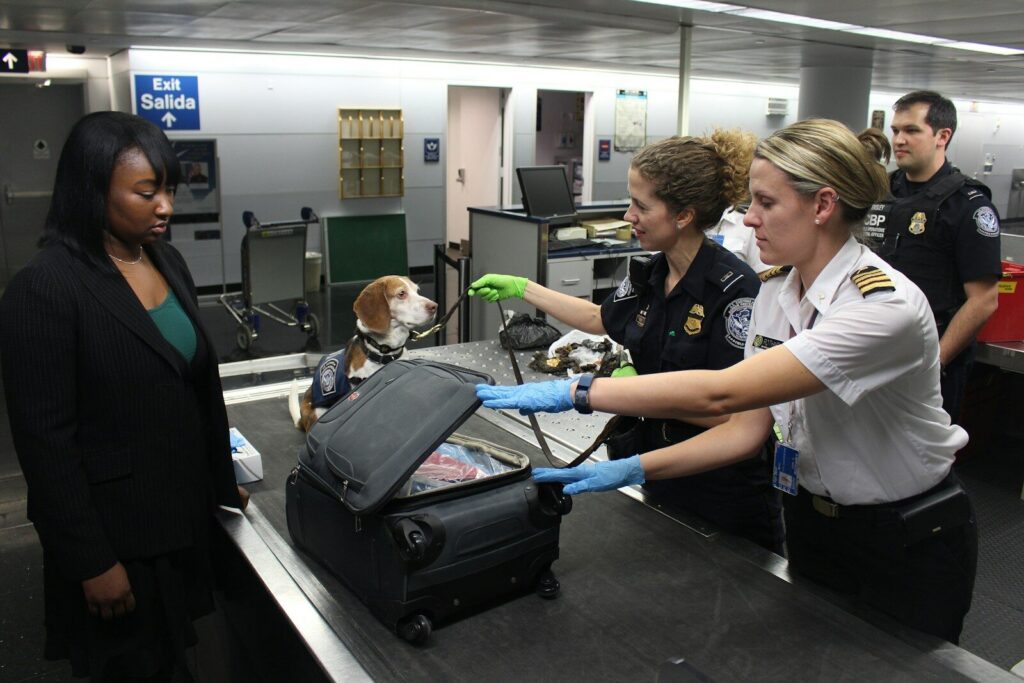
Customs regulations are one of the most important—and often misunderstood—parts of an international move. You can pack perfectly, hire the best movers, and plan everything in detail, but if your shipment doesn’t comply with customs rules, it can still face delays, inspections, extra fees, or even seizure.
This in-depth guide explains how customs works, what you need to prepare, and how to avoid costly mistakes when moving abroad from Canada.
What Are Customs Regulations?
Customs regulations are the rules set by each country to control what enters and leaves its borders.
When your belongings arrive in your destination country, customs officials will:
- Review your documents
- Inspect your shipment (if required)
- Assess duties or taxes
- Approve or deny entry of goods
Every country has its own system, but the overall process is similar worldwide.
Why Customs Matters for Your Move
Customs is not just a formality—it directly affects:
- How quickly your shipment is released
- Whether you pay additional fees
- Whether certain items are allowed in
- The overall success of your move
Even small mistakes can result in major delays and unexpected costs.
The Basic Customs Process
Understanding the process helps you prepare properly.
Step 1: Shipment Arrival
Your goods arrive at a port or airport in your destination country.
Step 2: Document Submission
Your moving company or customs broker submits required paperwork.
Step 3: Customs Review
Officials review your documents and may select your shipment for inspection.
Step 4: Duties and Taxes
If applicable, fees are calculated based on your shipment.
Step 5: Clearance and Release
Once approved, your shipment is released for delivery.
Key Documents Required for Customs Clearance
Documentation is the backbone of customs compliance.
1. Passport and Visa
Proof of identity and legal entry into the country.
2. Bill of Lading
The shipping contract and transport document.
3. Packing List / Inventory
A detailed list of all items in your shipment.
4. Customs Declaration Forms
Official forms declaring what you’re importing.
5. Proof of Residence
May be required to qualify for duty exemptions.
The Importance of Your Inventory List
Your inventory list must be:
- Accurate
- Detailed
- Clearly organized
What to Include
- Item descriptions
- Quantity
- Estimated value
Why It Matters
Customs uses this to:
- Assess duties
- Identify restricted items
- Verify your shipment
A vague or incomplete inventory is one of the most common causes of delays.
Duties and Taxes Explained
Not all shipments are taxed the same.
Duty-Free Situations
Many countries allow personal household goods to be imported duty-free if:
- You’ve owned them for a certain period
- They’re used (not new)
- You’re relocating permanently
When You May Pay Duties
- New or unused items
- High-value goods
- Restricted categories
Key Insight
Each country has different thresholds and rules.
Restricted and Prohibited Items
Customs regulations strictly control certain goods.
Commonly Restricted
- Alcohol
- Tobacco
- Medications
- Electronics
Commonly Prohibited
- Hazardous materials
- Certain food products
- Plants and soil
Why It Matters
Including restricted items can delay your entire shipment.
Customs Inspections: What to Expect
Not all shipments are inspected—but many are.
Types of Inspections
- Document check only
- Partial inspection
- Full inspection
What Happens During Inspection
- Boxes may be opened
- Items verified against inventory
- Restricted items identified
Important Note
You may be charged inspection fees in some countries.
Role of a Customs Broker
Most international moves involve a customs broker.
What They Do
- Submit documentation
- Communicate with customs officials
- Handle clearance process
Why They Matter
They help ensure compliance and reduce the risk of delays.
How to Avoid Customs Delays
1. Provide Accurate Documentation
Incomplete or incorrect paperwork is the #1 cause of delays.
2. Be Honest About Your Shipment
Undeclared items can lead to fines or seizure.
3. Follow Destination Rules
Each country has unique regulations—research them in advance.
4. Work With Experienced Movers
Professionals understand customs requirements and processes.
5. Avoid Shipping Restricted Items
When in doubt, leave it out.
Common Customs Mistakes
- Underestimating the importance of documentation
- Providing vague inventory descriptions
- Shipping prohibited items
- Assuming rules are the same for all countries
- Not planning for duties or taxes
Timeline: When to Prepare for Customs
2–3 Months Before
- Research destination country rules
- Start preparing documents
1 Month Before
- Finalize inventory list
- Confirm paperwork with movers
Final Weeks
- Double-check all documents
- Ensure everything is complete and accurate
Customs Rules Vary by Country
While the process is similar, requirements differ significantly.
Examples
- Some countries require residency permits before shipping
- Others require goods to arrive within a specific timeframe
- Some have strict inspection procedures
Key Takeaway
Always check country-specific requirements before shipping.
What Happens If There Are Issues?
If something goes wrong:
- Shipment may be held at port
- Additional fees may apply
- Items may be confiscated
- Delivery may be delayed significantly
In serious cases, legal consequences may occur.
Pro Tips for Smooth Customs Clearance
- Keep documents organized and accessible
- Label boxes clearly and match inventory
- Use professional packing services
- Communicate regularly with your mover
- Build extra time into your schedule
Final Thoughts
Customs regulations may seem complicated, but they’re manageable with the right preparation.
When you:
- Understand the process
- Prepare accurate documentation
- Follow the rules
…you dramatically reduce the risk of delays and unexpected costs.
Bottom Line
Customs isn’t something you deal with after your shipment arrives—it’s something you prepare for before you even start packing.
The more organized and informed you are, the smoother your international move will be.